News & Events
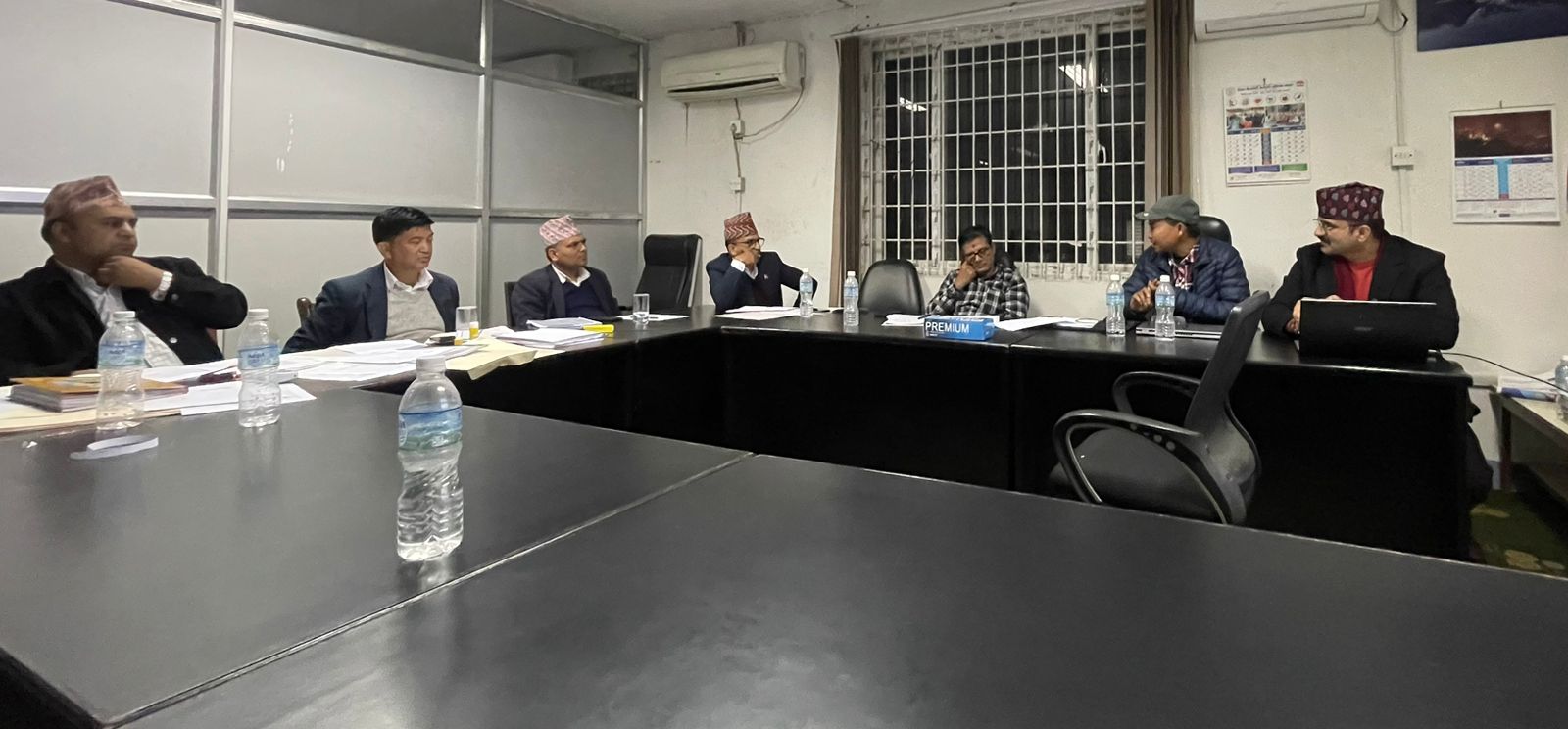
In a significant move towards safeguarding Nepal's diverse indigenous legacy, a high-level concept-sharing meeting took place at the administrative heart of the country, Singha Durbar, between the SAARC Music Foundation and the Secretariat of the Nepal National Commission for UNESCO. Under the successful coordination of the Foundation’s President, B.P. Wagle, the session served as a vital platform for aligning the SAARC Foundation’s regional motto of cultural connectivity with the global safeguarding principles of the UNESCO 2003 Convention on Intangible Cultural Heritage (ICH). The meeting underscored a shared commitment to ensuring that the Tharu culture—one of Nepal's oldest and most vibrant indigenous identities—is not only documented but actively revitalized for future generations.
During the deliberations, Shashi Sharma Majgainya, Chief Technical Advisor of the SAARC Music Foundation, delivered a compelling address on the intrinsic value of indigenous knowledge systems. He emphasized that the Tharu community’s cultural practices, from their unique agricultural techniques to their complex spiritual ecology, represent a "living library" of human resilience. Majgainya argued that in the face of rapid globalization, preserving these indigenous values is essential for maintaining the nation’s social fabric. His vision focused on transforming "passive archiving" into "active safeguarding," where traditional music, culture and rituals continue to serve as a primary source of identity and social harmony.
Complementing this technical perspective, renowned Tharu cultural expert Dr. Krishna Raj Sarbahari highlighted the growing "intergenerational gap" that threatens the continuity of these traditions. He pointed out that as youth shift toward globalized digital media, the oral transmission of ancestral stories and seasonal songs is at risk of breaking. Dr. Sarbahari advocated for a modern approach to cultural transfer, where digital repositories and "Local Curriculum" integration in schools can bridge the divide between elderly "knowledge keepers" and the younger generation. The meeting concluded with a strong consensus that the proposed initiative—focusing on intergenerational knowledge transfer—is a necessary intervention to ensure the Tharu legacy remains a permanent and proud feature of Nepal’s cultural landscape.
The meeting concluded on a high note of strategic alignment, as representatives from the Secretariat of the Nepal National Commission for UNESCO sought detailed insights into the current status of Nepal’s cultural landscape and the most viable pathways for its long-term preservation in a rapidly changing world. In response to these inquiries, Advocate Shashi Sharma Majgainya, Chief Technical Advisor of the SAARC Music Foundation, presented a comprehensive strategy rooted in both academic rigor and institutional collaboration. He detailed the foundation’s specialized team, which includes MPhil scholar Bhuvan Chaudhary and anthropologist Bunu Tharu, alongside experts like Dr. Krishna Raj Chaudhary(Sarbahari) ,Dr.Govinda Acharya and President B.P. Wagle. Majgainya outlined a proactive plan to bridge the intergenerational gap through multi-level partnerships with local and provincial governments, as well as key heritage agencies. With firm confidence in the necessity of this project, Majgainya underscored that the execution of this concept is a vital step toward ensuring that the Tharu community's ancestral values are not only protected but effectively integrated into the nation's future developmental and educational frameworks.